Polymer Materials
Polymer materials, also known as polymer materials, are materials composed of polymer compounds as a matrix and other additives (auxiliaries). Polymer materials are divided into natural polymer materials and synthetic polymer materials according to their sources.
Polymer materials, also known as polymer materials, are materials composed of polymer compounds as a matrix and other additives (auxiliaries). Polymer materials are divided into natural polymer materials and synthetic polymer materials according to their sources. Polymer materials are divided into rubber, fiber, plastic, polymer adhesive, polymer coating and polymer-based composite materials according to their characteristics.
According to the classification of material application functions, polymer materials are divided into three categories: general polymer materials, special polymer materials and functional polymer materials. General-purpose polymer materials refer to polymer materials that can be produced on a large scale and have been widely used in major fields of the national economy such as construction, transportation, agriculture, electrical and electronic industries, and people's daily lives. These are divided into different types such as plastics, rubber, fibers, adhesives, coatings, etc. Special polymer materials are mainly a type of polymer materials with excellent mechanical strength and heat resistance, such as polycarbonate, polyimide and other materials, which have been widely used in engineering materials. Functional polymer materials refer to polymer compounds that have specific functions and can be used as functional materials, including functional separation membranes, conductive materials, medical polymer materials, liquid crystal polymer materials, etc.
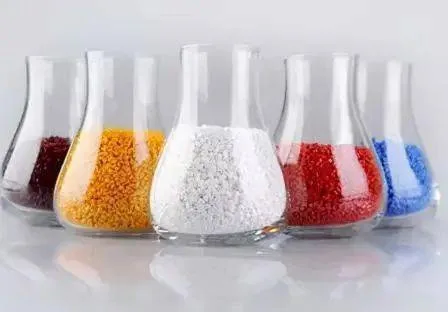
Plastic (English: Plastic): refers to plastic (flexible) products that are processed and formed with high molecular weight synthetic resin as the main component, adding appropriate additives, such as plasticizers, stabilizers, flame retardants, lubricants, colorants, etc. (flexible) material, or a rigid material formed by curing and cross-linking.
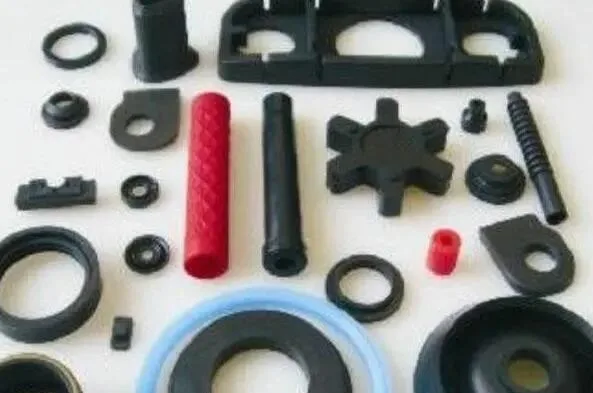
Rubber refers to a highly elastic polymer material with reversible deformation. It is elastic at room temperature, can produce large deformation under the action of a small external force, and can return to its original shape after the external force is removed. Rubber is a completely amorphous polymer, its glass transition temperature (T g) is low, and the molecular weight is often very large, greater than hundreds of thousands. Rubber is divided into two types: natural rubber and synthetic rubber. Natural rubber is made by extracting gum from rubber trees, rubber grass and other plants; synthetic rubber is obtained by polymerization of various monomers. Rubber products are widely used in various aspects of industry or life.
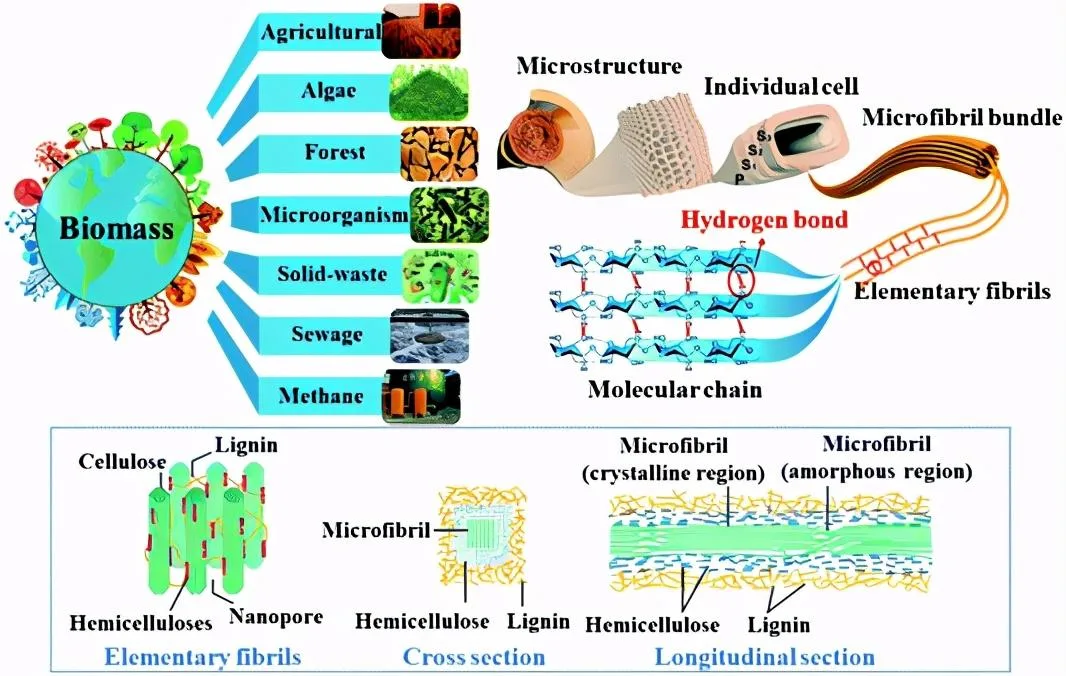
Fiber (US: Fiber; UK: Fibre) refers to a substance composed of continuous or discontinuous filaments. In plants and animals, fiber plays an important role in holding tissues together. Fibers are widely used and can be woven into thin threads, threads and hemp ropes. They can also be woven into fiber layers when making paper or weaving felts. They are also commonly used to make other materials and form composite materials with other materials.

Coating, the traditional name in China is paint. The so-called coating is coated on the surface of an object to be protected or decorated, and can form a continuous film that is firmly adhered to the object to be coated. It is usually based on resin, oil, or emulsion, with or without the addition of pigments, fillers, and Corresponding additives are viscous liquids prepared with organic solvents or water.
Adhesive (English name adhesive) is also known as adhesive, commonly known as "glue". It is a substance that connects two materials together through the adhesion and cohesive strength of the interface. It will not significantly change the structure of the adherend and gives sufficient strength to the bonded surface. The interface bonding uses adhesive to overcome the stress concentration phenomenon during welding or riveting. The bonding has good vibration resistance, fatigue resistance, uniform stress distribution, and good sealing properties. In many fields, adhesives can replace welding, riveting, bolts and other mechanical connections. They are suitable for bonding special-shaped and complex components. They are also suitable for bonding thin plate materials and small components. They are used in aerospace, transportation, instrumentation, electronic appliances Adhesives and bonding technologies are widely used in fields such as textiles, construction, wood processing, medical equipment, machinery manufacturing, and daily necessities.
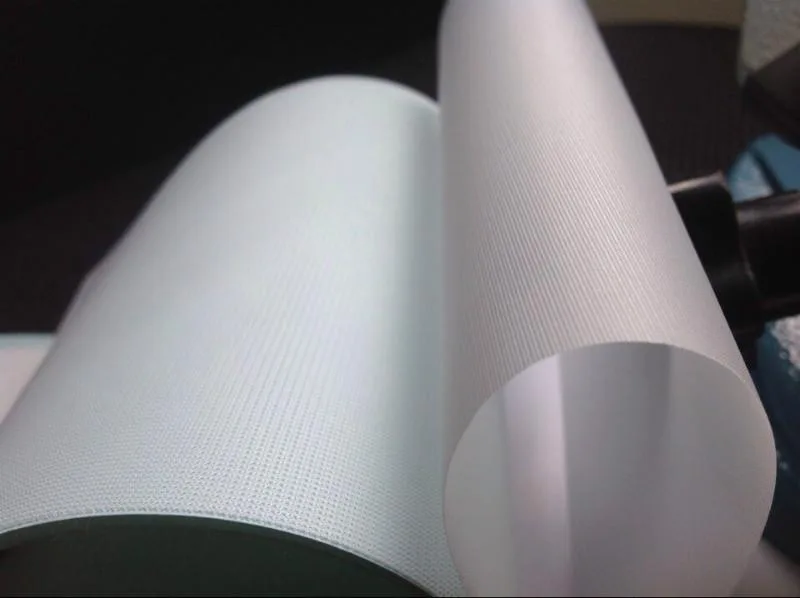
Polymer separation membrane is a semipermeable membrane made of polymer materials with selective permeability function. Using such a semi-permeable membrane, using pressure difference, temperature gradient, concentration gradient or potential difference as the driving force, it can be energy-saving, efficient and clean compared with separation technologies such as gas mixtures, liquid mixtures or solutions of organic and inorganic substances. characteristics, and is therefore considered a major technology supporting the new technological revolution.
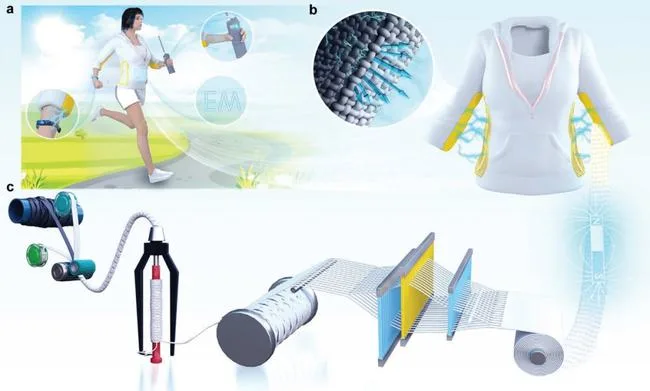
magnetic polymer material materials), including intrinsic magnetic polymer materials and composite polymer materials. The former are mainly doped polyacetylene, heat-treated polyacrylonitrile, polyaminobenzoquinone, certain nitroxide radicals and charge transfer complexes. etc., the magnetic properties displayed are derived from the internal structure of the molecule, which is of great significance in theoretical research. The latter is composed of a non-magnetic polymer material as a matrix and a composite of magnetic materials. The magnetism comes from the magnetic body inside the material, and is very important in the preparation and application of magnetic materials.
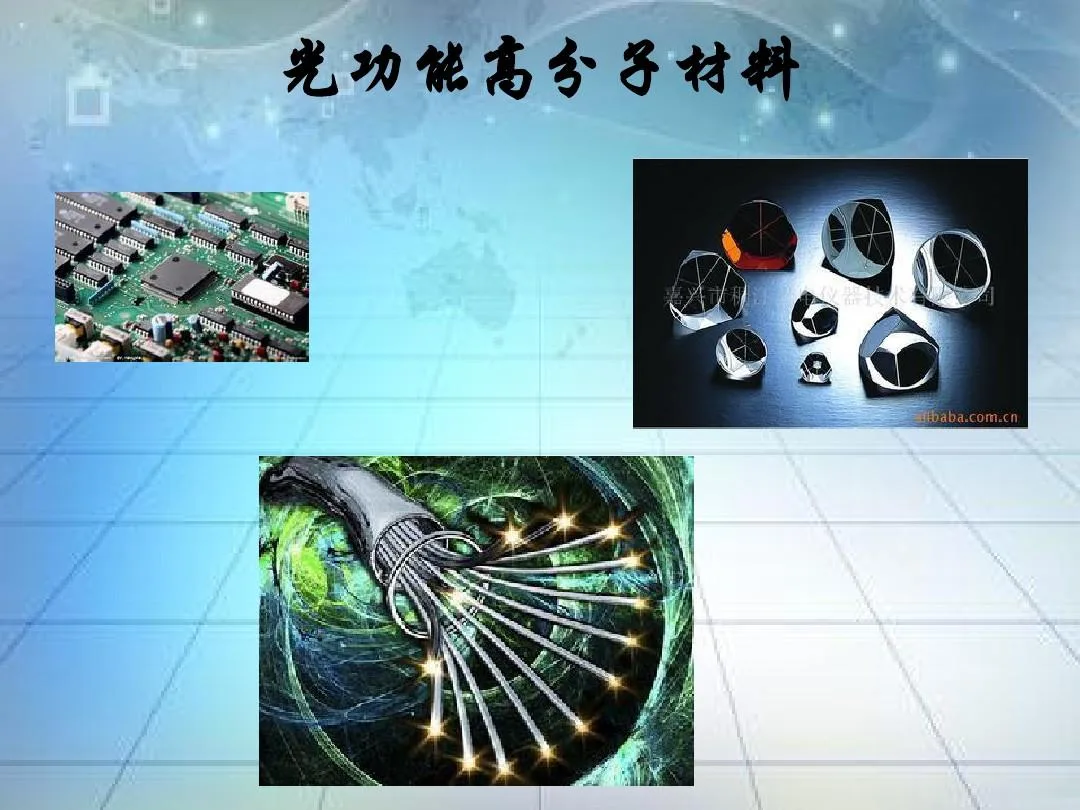
Photofunctional polymer materials refer to a type of polymer materials that can transmit, absorb, store, and convert light. At present, there are many materials of this type, mainly including photoconductive materials, optical recording materials, optical processing materials, optical plastics (such as plastic lenses, contact lenses, etc.), optical conversion system materials, optical display materials, and photoconductive materials. , photosynthetic materials, etc.
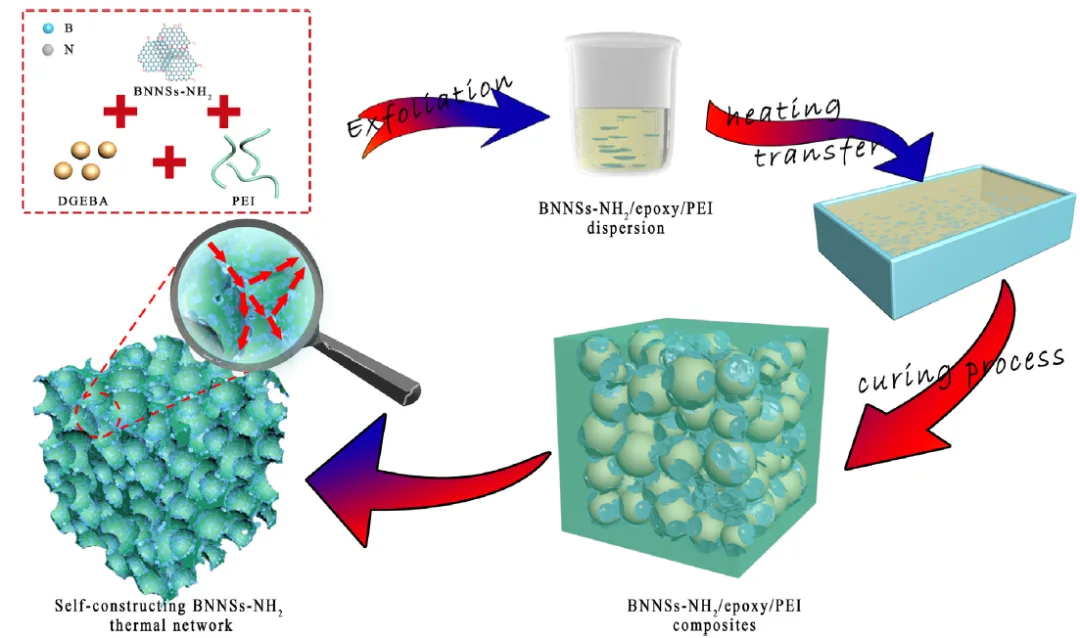
Polymer composite materials are multi-phase materials composed of polymer materials and other substances of different compositions, shapes, and properties. The biggest advantage of polymer composite materials is that they combine the advantages of various materials, such as high strength, light weight, temperature resistance, corrosion resistance, heat insulation, insulation and other properties. According to the application purpose, polymer materials and other materials with special properties are selected to make them Composite materials that meet your needs.