Surface treatment
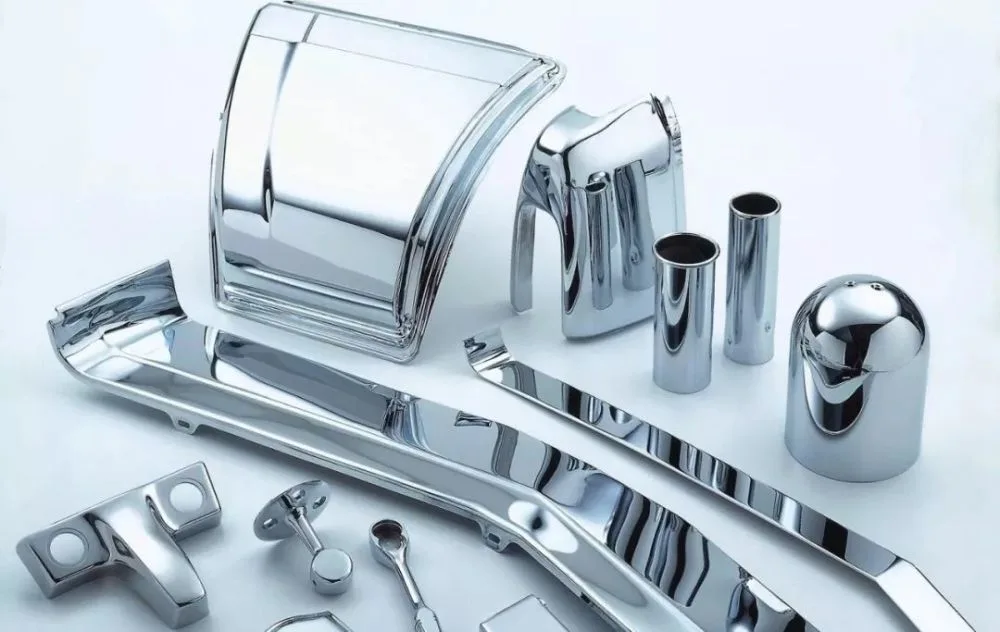
Surface treatment is a process that artificially forms a layer on the surface of a base material that has different mechanical, physical and chemical properties from the base material. The purpose of surface treatment is to meet the corrosion resistance, wear resistance, decoration or other special functional requirements of the product.
所属分类:Surface treatment
Surface treatment is a process that artificially forms a layer on the surface of a base material that has different mechanical, physical and chemical properties from the base material. The purpose of surface treatment is to meet the corrosion resistance, wear resistance, decoration or other special functional requirements of the product. For metal castings, our more commonly used surface treatment methods are mechanical grinding, chemical treatment, surface heat treatment, and surface spraying. Surface treatment is to clean, sweep, deburr, remove oil, and remove scale on the surface of the workpiece.
Polishing refers to a processing method that uses mechanical, chemical or electrochemical effects to reduce the surface roughness of the workpiece to obtain a bright and smooth surface. It is the modification of the workpiece surface using polishing tools and abrasive particles or other polishing media.
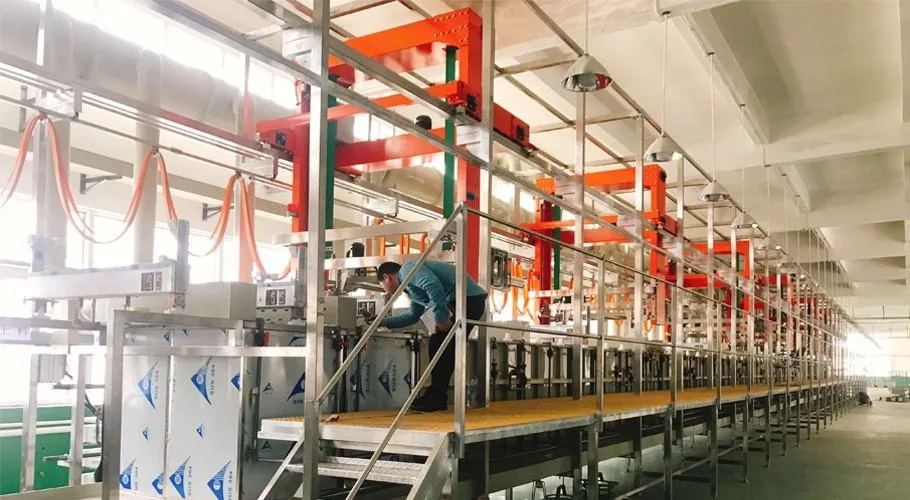
Electroplating is a process that uses the principle of electrolysis to plate a thin layer of other metals or alloys on certain metal surfaces. It is a process that uses electrolysis to attach a metal film to the surface of metal or other material parts to prevent metal oxidation ( Such as rust), improve wear resistance, conductivity, reflectivity, corrosion resistance (copper sulfate, etc.) and enhance aesthetics. The outer layer of many coins is also electroplated.
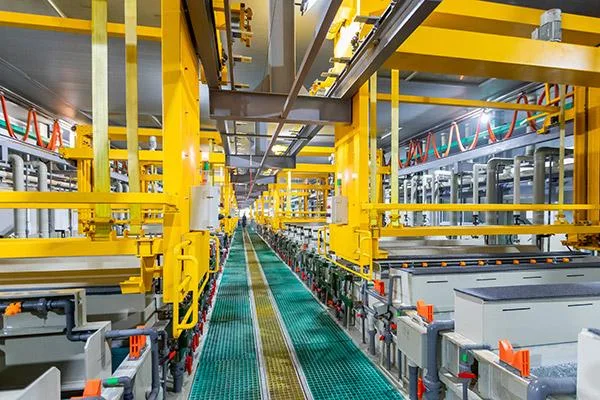
anodizing oxidation), the electrochemical oxidation of metals or alloys. Aluminum and its alloys form an oxide film on aluminum products (anode) under the action of applied current under corresponding electrolytes and specific process conditions. Anodizing usually refers to sulfuric acid anodizing unless otherwise specified. In order to overcome the defects of aluminum alloy surface hardness, wear resistance, etc., expand the scope of application, and extend the service life, surface treatment technology has become an indispensable part of the use of aluminum alloys, and anodizing technology is the most widely used and successful. .
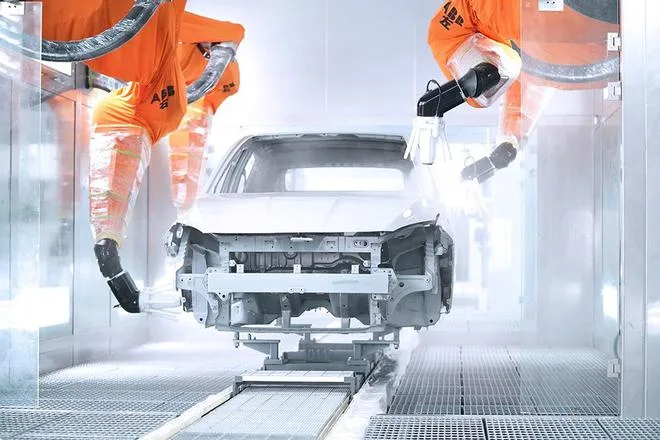
Painting is an important link in modern product manufacturing processes. The quality of anti-rust and anti-corrosion coating is one of the important aspects of the overall quality of the product. Product appearance quality not only reflects product protection and decorative performance, but is also an important factor in product value. Coating is a systematic project, which includes the three basic processes of surface treatment, coating process and drying before coating, as well as a reasonably designed coating system, selection of appropriate coatings, determination of good operating environmental conditions, and Quality, process management and technical economy and other important links.
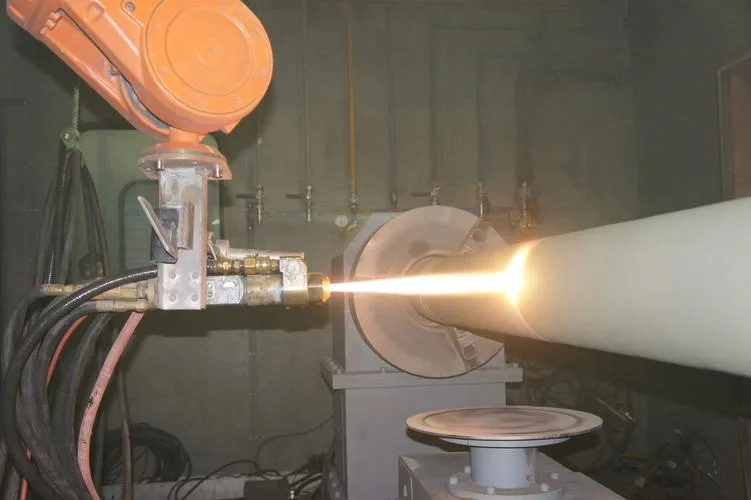
Thermal spraying refers to heating and melting the coating material, using high-speed airflow to atomize it into extremely fine particles, and spraying it onto the surface of the workpiece at a high speed to form a coating. By choosing different coating materials as needed, you can obtain one or more properties in terms of wear resistance, corrosion resistance, oxidation resistance, heat resistance, etc.